Best Time to Visit Bageshwar, Uttarakhand
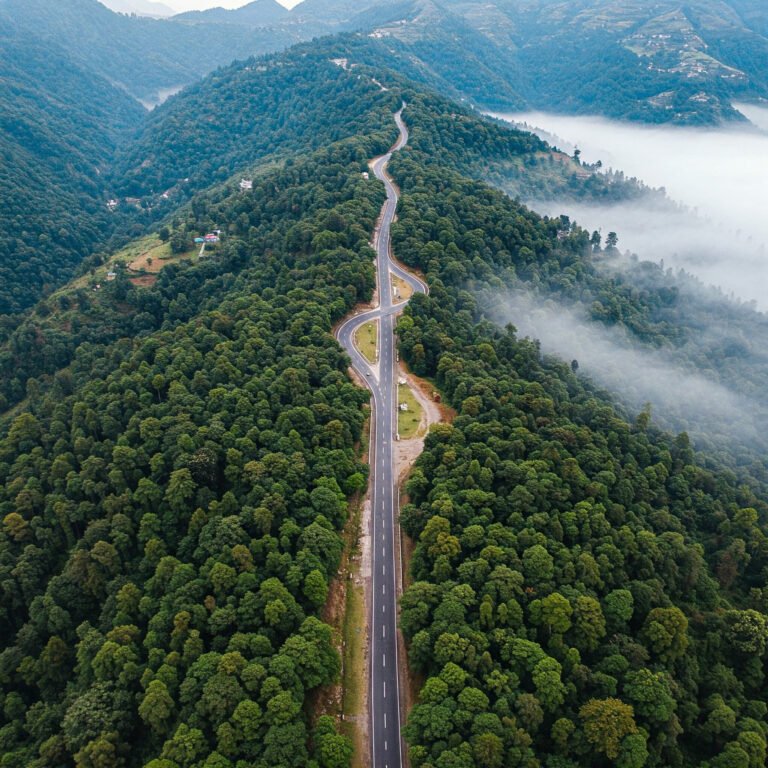
The best time to visit Bageshwar is generally from September to June. This broad window covers the clearer post-monsoon months, winter, spring and early summer, with each season offering a different experience. If you are visiting mainly for temples, sightseeing and nearby destinations, September to June is the period to consider. Trekking is different, however, and the ideal season depends on the route and current trail conditions.
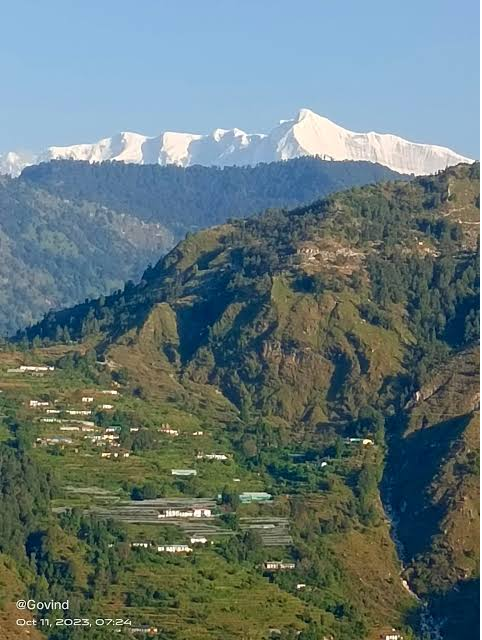
Bageshwar sits at the confluence of the Saryu and Gomti rivers and is surrounded by the Kumaon Himalayas. From the temples and riverside atmosphere of Bageshwar town to mountain viewpoints, villages and high-altitude trekking routes, the best time for your trip really depends on what you want to experience.
BAGESHWAR WEATHER AND SEASONS AT A GLANCE
| Season | Months | What to Expect | Best For |
| Spring | March–April | Pleasant mountain conditions and increasingly green landscapes | Sightseeing and exploring |
| Early Summer | May–June | Warmer days with a cooler mountain setting than the plains | Sightseeing and escaping the heat |
| Monsoon | July–August | Heavy rain and potentially difficult mountain-road conditions | Flexible travellers |
| Post-Monsoon | September–October | Greener landscapes and improving travel conditions | Sightseeing and mountain views |
| Winter | November–February | Cold weather and the possibility of snow | Winter atmosphere and quieter travel |
BEST TIME TO VISIT BAGESHWAR FOR SIGHTSEEING
For most first-time visitors, September to June is the broadest window for exploring Bageshwar and its surroundings. Post-monsoon months can be particularly rewarding if you want to explore the landscape around the town, while spring and early summer are useful for longer days out in the surrounding hills.
You can spend your time exploring Bagnath Temple, visiting Gauri Udiyar, driving towards Vijaypur and Kanda, or extending your journey towards places such as Baijnath, Kausani and Gwaldam. If your main interest is discovering the attractions rather than trekking, you don’t need to plan your trip around a narrow “perfect” month. Instead, choose the season that suits the kind of experience you want.
Planning what to see? Explore our places to visit in Bageshwar guide for ideas and practical information.
BAGESHWAR IN MONSOON
July and August are the months when you need to plan more carefully. Rain transforms the surrounding hills into a much greener landscape, but travelling through the mountains during the monsoon can also be unpredictable. Roads can become wet or disrupted, journey times can change and outdoor plans may need to be adjusted.
That doesn’t mean Bageshwar should automatically be avoided during the monsoon. If you are travelling with a flexible schedule and are comfortable adapting your plans, you can still experience a very different and intensely green side of Kumaon. For a short sightseeing trip with a fixed itinerary, the post-monsoon period is generally a more comfortable choice.
If you travel during the monsoon:
- Keep some flexibility in your itinerary.
- Check weather and road conditions before setting out.
- Allow extra time for mountain journeys.
- Avoid tightly timed travel connections.
- Be particularly careful if you are planning a trek.
BAGESHWAR IN WINTER
Winter brings a completely different character to Bageshwar. The town becomes colder and the surrounding mountains can receive snow. For travellers who enjoy quiet mountain destinations, crisp winter conditions and a more peaceful atmosphere, this can be an appealing time to visit.
Winter is also an interesting time to experience Bageshwar’s spiritual side. Bagnath Temple remains an important pilgrimage destination throughout the year, while occasions such as Shivratri and the Uttarayani fair bring particularly large numbers of visitors. If you travel in winter, come prepared for cold conditions and check the weather before travelling through the mountains.
If you’re travelling to Bageshwar in winter:
- Carry warm layers, especially for early mornings and evenings.
- Check the weather before travelling through the mountains.
- Allow some flexibility if snow or poor weather affects road conditions.
- If you’re hoping to see snow, remember that snowfall is weather-dependent and cannot be guaranteed.
BEST TIME FOR TREKKING FROM BAGESHWAR
The best time for visiting Bageshwar and the best time for trekking from Bageshwar are not necessarily the same thing. The Pindari, Kafni and Sunderdhunga routes approach the higher Himalayas through the Loharkhet–Dhakuri–Khati area, where conditions can be very different from those in Bageshwar town.
The Kumaon Mandal’s current trekking information lists May to October for the Pindari Glacier and Sunderdhunga Glacier routes. The broader Loharkhet–Khati–Toli route has a March–June and September–November window. Conditions can vary considerably between the lower approach and the higher sections of a trek, so trekkers should check current trail and weather conditions before setting out.
The three glacier routes are closely connected. Official Kumaon information describes Pindari, Kafni and Sunderdhunga as a group of treks starting from the Bageshwar area and approaching the roadhead at Loharkhet.
Planning a trek? Read our complete trekking from Bageshwar guide before deciding which route is right for you.
BAGESHWAR DURING FESTIVALS
If you want to experience Bageshwar when the town is particularly lively, consider planning your visit around one of its major religious and cultural occasions. Festivals and fairs are an important part of Kumaoni life, bringing together pilgrimage, local traditions, markets and community gatherings.
The Uttarayani fair, held around Makar Sankranti in January, is one of the most important events in Bageshwar. The district administration describes it as one of the larger fairs of the Kumaon region, traditionally attracting traders and visitors from surrounding areas. Bagnath Temple also sees particularly large numbers of devotees during Shivratri.
If you’re planning a festival visit:
- Check the current year’s dates before booking your trip.
- Expect larger crowds around major religious festivals and fairs.
- Book accommodation ahead if you plan to visit during a busy festival period.
- Allow extra time for getting around town during major events.
- Be prepared for a livelier and more crowded experience than at other times of year.
SO, WHEN SHOULD YOU VISIT BAGESHWAR?
There isn’t one perfect answer to the question of the best time to visit Bageshwar. The right time depends on whether you want to explore temples and mountain destinations, experience winter, attend a local festival or head deeper into the Himalayas.
FOR A FIRST TRIP TO BAGESHWAR
September to June is the broad official recommendation for visiting Bageshwar.
FOR SIGHTSEEING AND EXPLORING
Post-monsoon, spring and early summer are good periods to consider if your priority is exploring the town and surrounding destinations.
FOR A WINTER EXPERIENCE
Choose November to February if you enjoy colder mountain conditions and the possibility of snow.
FOR TREKKING
Plan according to the specific trek, rather than the general Bageshwar tourism season. The major glacier routes have their own seasonal considerations, and current trail and weather conditions should always be checked before setting out.
FOR FESTIVALS
Plan around events such as Uttarayani/Makar Sankranti and Shivratri, checking the current year’s dates before travelling.
PLAN YOUR BAGESHWAR JOURNEY
Once you’ve decided when to visit, the next step is working out what you want to see and where to stay. Explore the places to visit in Bageshwar, find practical advice on where to stay, or check our Bageshwar Travel FAQ if you’re still planning the details of your trip.
Bageshwar rewards travellers who leave a little room in their itinerary — whether that means spending an extra day exploring the town, taking a detour into the hills or simply slowing down and enjoying the mountains.